
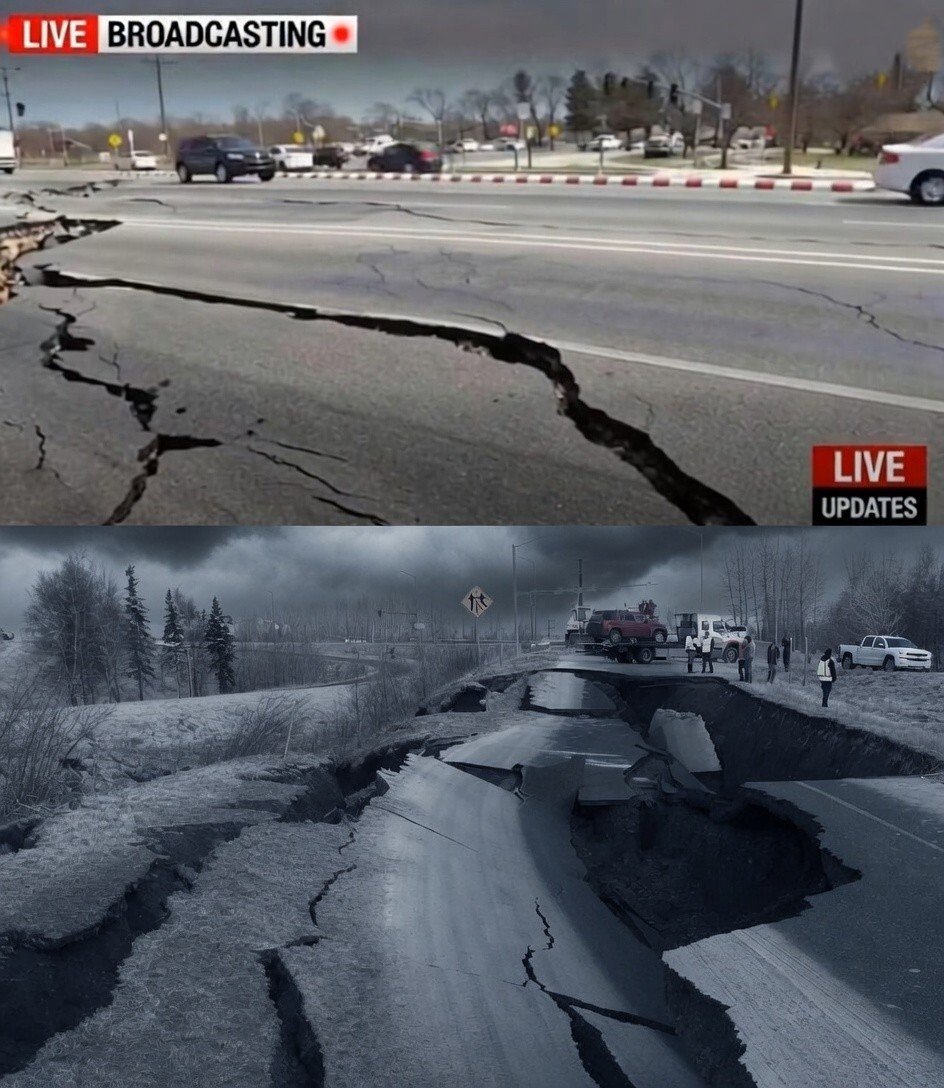
In northern Thailand, the shaking also prompted concern, with officials activating emergency protocols and directing people to designated safe zones.
These widespread effects highlight how seismic activity can cross borders and require coordinated regional response efforts.
In moments of uncertainty, communities played an important role in supporting one another. People shared essential supplies, helped neighbors, and used public shelters as safe gathering points.
Even simple acts of reassurance and communication helped reduce fear and strengthen unity among residents facing the aftermath of the quake.
Following the earthquake, some areas experienced temporary communication disruptions due to network congestion. This made it difficult for people to contact family members or receive immediate updates.
Authorities emphasized the importance of relying on verified information sources and official announcements to avoid confusion during rapidly changing situations.
Earthquakes occur when energy is released beneath the Earth’s surface due to shifting tectonic plates. This energy travels as seismic waves, causing the ground to shake.
Southeast Asia is located in a seismically active region, making such events relatively more common. The severity of impact depends on preparedness, building safety standards, and response time.
Preparedness can significantly reduce the risks associated with earthquakes. Simple steps such as having an emergency plan, identifying safe spots, and keeping essential supplies ready can make a major difference during emergencies.
While earthquakes cannot be prevented, preparedness helps communities respond more effectively and recover more quickly.











Leave a Reply